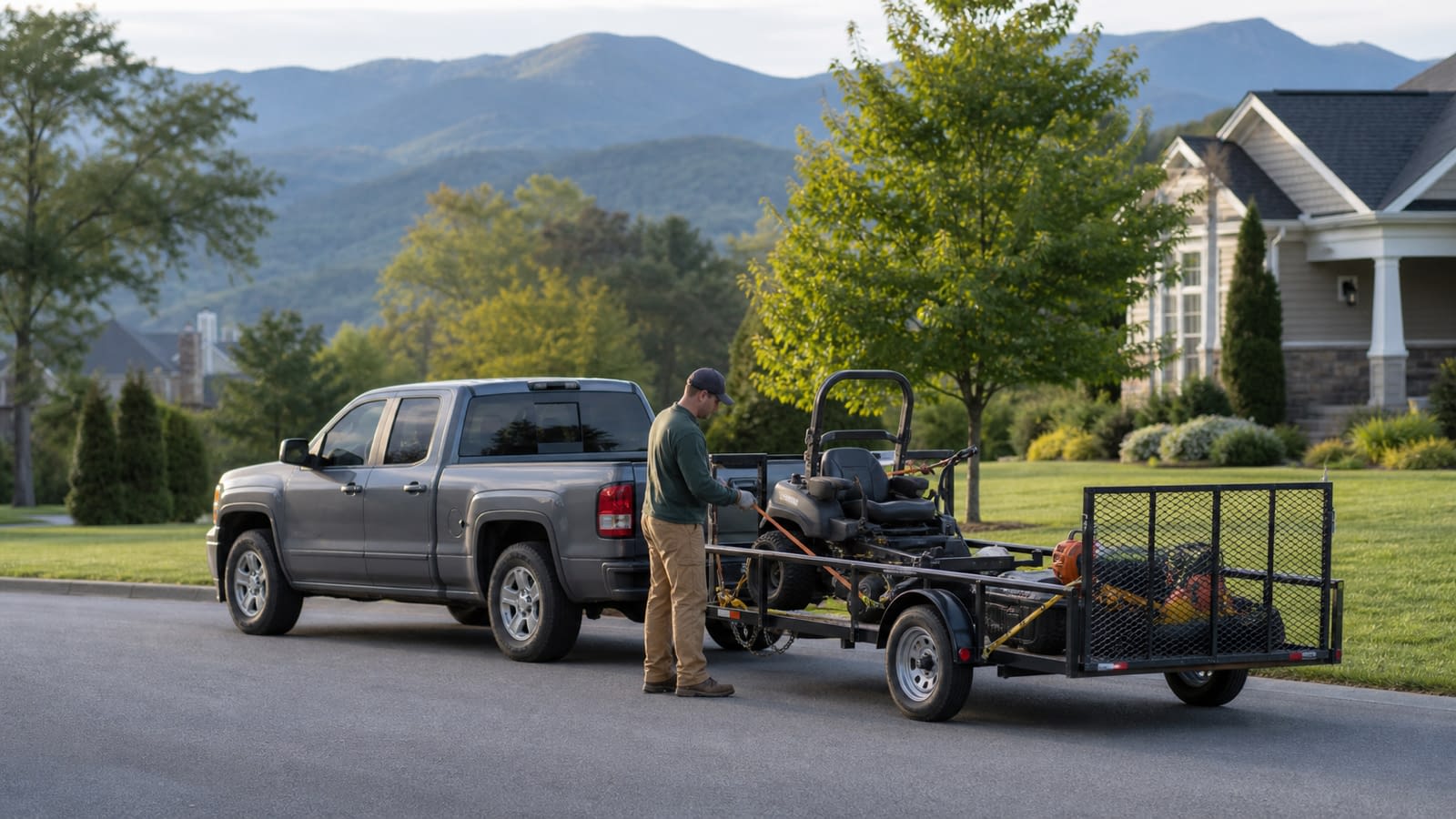
Using your own car or truck for work does not automatically tell you which auto policy you need. It does create a question that deserves a clear answer. Who owns and drives it matters. So do the mileage, cargo or trailer use, and reason for each trip.
A pickup may still look like the same personal truck after you start a business. The exposure changes when it begins hauling tools to customer property, pulling equipment, making deliveries, or being driven by an employee. That change should be disclosed before a claim puts the policy language to the test.
The point is not that every work trip requires the same commercial policy. Personal and commercial auto contracts vary, and some business uses may be handled differently from others. The practical rule is simpler: tell the agency what the vehicle actually does, then review the available policy and endorsements instead of assuming that registration or ownership answers the question.
When Does A Personal Vehicle Become A Business Insurance Question?
The question begins when the vehicle helps the business operate. That can include traveling between job sites, carrying equipment, making deliveries, or transporting employees. A real-estate agent driving to appointments presents a different situation from a contractor hauling a loaded trailer. A restaurant owner making an occasional bank deposit presents a different situation from an employee making deliveries every day.
Those examples do not determine coverage. They show why “I use my own vehicle” is not enough information. Frequency matters. So do the purpose of the trip, the people behind the wheel, and what the vehicle carries or tows.
The Virginia State Corporation Commission’s commercial insurance guide identifies vehicle type, territory, expected mileage, and usage as commercial auto insurance factors. It also notes loss experience. The guide says a business-auto audit may verify which vehicles are owned or operated and how they are used. That makes accurate use information important at application and review time, not only after an accident.

A Truck In Your Name Can Still Create A Business Exposure
Derek Wiley uses a landscaping example to make this practical. A new business owner may ask about general liability, then mention using a personal truck and trailer to carry mowing equipment to customer properties. That detail changes the conversation. The vehicle is not merely commuting to an office. It is part of the operation.
Now imagine the owner backs the truck or trailer into a customer’s shed or vehicle. This is a decision example, not a statement that a particular policy would pay or deny the claim. The answer would depend on the policy, how the vehicle was represented, and the facts of the loss. The lesson is that the insurance discussion needed to include the truck and trailer before the job began.
A useful commercial auto insurance review should connect the vehicle to the operation. It should not begin and end with whose name appears on the title.
What Details Should You Bring To The Review?
Start with a plain description of a normal week. Explain where the vehicle goes, why it goes there, and who drives. The agency can then ask the policy-specific questions that matter.
- Ownership and control: who owns, leases, or regularly has access to the vehicle.
- Actual use: the work performed, trip frequency, territory, and expected mileage, including whether deliveries are involved.
- Drivers: owners, family members, employees, or helpers who may operate it.
- Loads and towing: tools, products, equipment, passengers, and trailers connected to the work.
Also explain changes instead of waiting for renewal. A new employee driver, larger trailer, expanded service area, or move from occasional errands to daily job-site travel can make last year’s description incomplete.

General Liability Does Not Replace The Auto Conversation
A business owner may buy general liability and assume the company now has one broad answer for property damage or injuries connected to the operation. That is not a safe shortcut. General liability and auto liability are separate coverage questions, and the applicable contracts may divide exposures between them.
The same caution applies when employees use their own cars for company errands or when the business rents a vehicle. Those situations can raise hired- or non-owned-auto questions, but the label alone does not establish coverage. The ownership, permission, driver, use, and policy terms still matter.
This is why the vehicle discussion belongs inside a broader operations-first business insurance review. The goal is to identify which policy is supposed to respond to which exposure before one assumption gets passed from one contract to another.
When Should You Revisit Business Vehicle Use?
Review it when the business adds a vehicle or changes ownership. Revisit it when an employee starts driving, a trailer is purchased, deliveries begin, or the company takes work farther from home. A vehicle wrap or permanent equipment installation can be an obvious signal, but quieter changes matter too.
Do not wait for a renewal form to ask the perfect question. Tell the agency what changed and ask for the available options in writing. A carrier may decide that the existing policy can address the use, may require an endorsement, may offer a commercial policy, or may not accept the risk. No article can predict that underwriting decision.
Keep the policy description current even when the vehicle still spends most of its time on personal errands. A small percentage of business use can still be important if it involves paid deliveries, employees, a trailer, or equipment at customer sites.
Business Vehicle Insurance Questions
Does driving to work count as business use?
An ordinary commute may be treated differently from driving between job sites, transporting clients, or making deliveries. The answer depends on the policy and the actual use. Describe the trips to the agency instead of relying on a general label.
Can a sole proprietor keep a vehicle on a personal auto policy?
Possibly, depending on the vehicle, ownership, use, drivers, carrier rules, and available endorsements. Sole-proprietor status does not create one universal answer. Ask the agency or current insurer to review the facts and confirm the policy treatment.
Does general liability cover an accident involving a business vehicle?
Do not assume it does. Auto-related liability may be addressed, limited, or excluded differently under separate policies. The contracts and loss facts control. Review the auto and general-liability pieces together so each has a defined purpose.
A personal-looking truck can become essential business equipment long before the owner thinks of it that way. The time to explain that use is when the work changes—not after an accident.
If your company uses personal cars, trucks, or trailers for paid work, request a strategy call with Derek Wiley Agency. We will start with how the vehicles are actually used and help you understand which questions deserve an answer.